Aliens? What is the Possibility?

This video explores the basic possibilities of the presence of life in the rest of the universe.

            For years, people have been debating the presence or even just the possibility of life existing within the rest of the universe, and, as a result, a new scientific field has emerged: astrobiology. In this field, scientists are simply studying life in the universe. How does life emerge? What conditions are needed in order to facilitate the existence of life? What is the possibility that we are able to find life in the universe and how can be determine if a planet is able to be inhabited by life? All these questions are necessary in order to properly study this subject.

            In recent years, astrobiology has become more and more present, as it is still a relatively new type of science. This means that new missions and technologies are being thought of and pursued in the name of searching for life. For example, recent missions to Mars looking for the possibility of previous life have been in the name of astrobiology. While we have not yet, as far as I can tell, have found definitive proof of life outside of Earth, this new science is a promising area to keep an eye out for, especially those of you excited about the idea of aliens.
The Lesser Known Planetary Rings

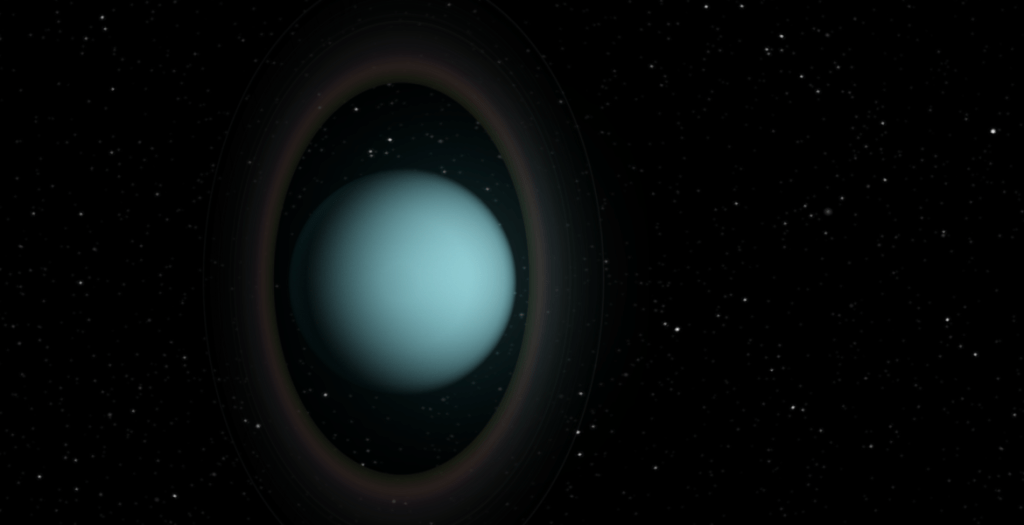
The rings of Uranus, which are not easily visible.

When quizzed about planetary characteristics in elementary school, the typical questioned asked when referring to Saturn is, “Which planet in the solar system has rings?” While answering Saturn is not incorrect, it isn’t completely correct either. Other planets with rings in our solar system are Jupiter, Uranus, and Neptune. A more accurate way to ask this question is, “Which planet in our solar system is known for having visible rings?”

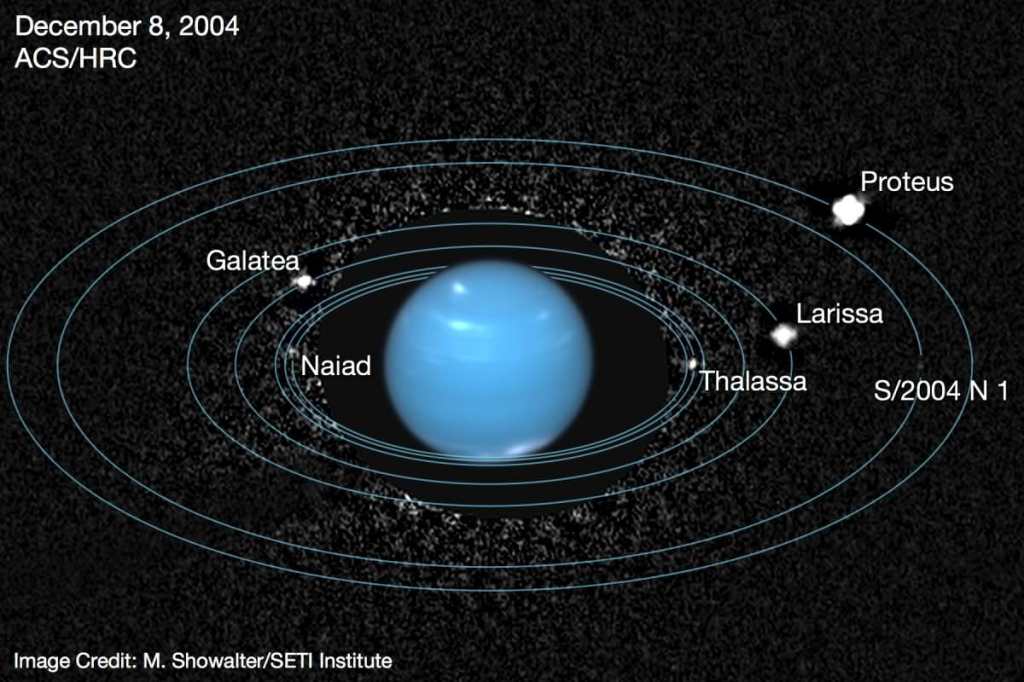
The rings of Neptune.

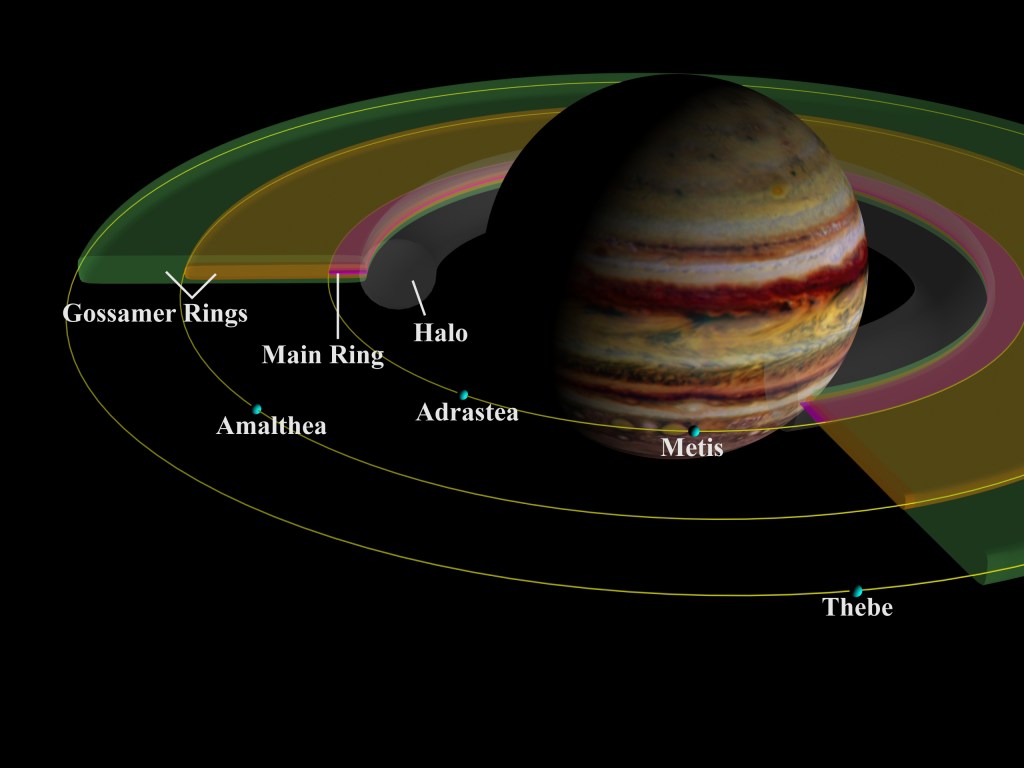
            Planetary rings are, essentially, orbiting disks around a planet that are comprised of debris and other materials. These planets that are lesser known for their rings are all gas giants. Due to their size, gas giant planets, which are Jupiter, Uranus, Saturn, and Neptune, have a higher gravitational pull compared to the terrestrial planets and it all has to do with size. Gas giants have more moons and more objects that get stuck in orbit around these planets, which explains how these rings form. The only outstanding feature that makes Saturn’s rings stand out more than other rings present in our solar system are the size and the brightness that makes them more visible. 

The rings surrounding the largest planet in our solar system, Jupiter.

Earth’s (Temporary) Second Moon

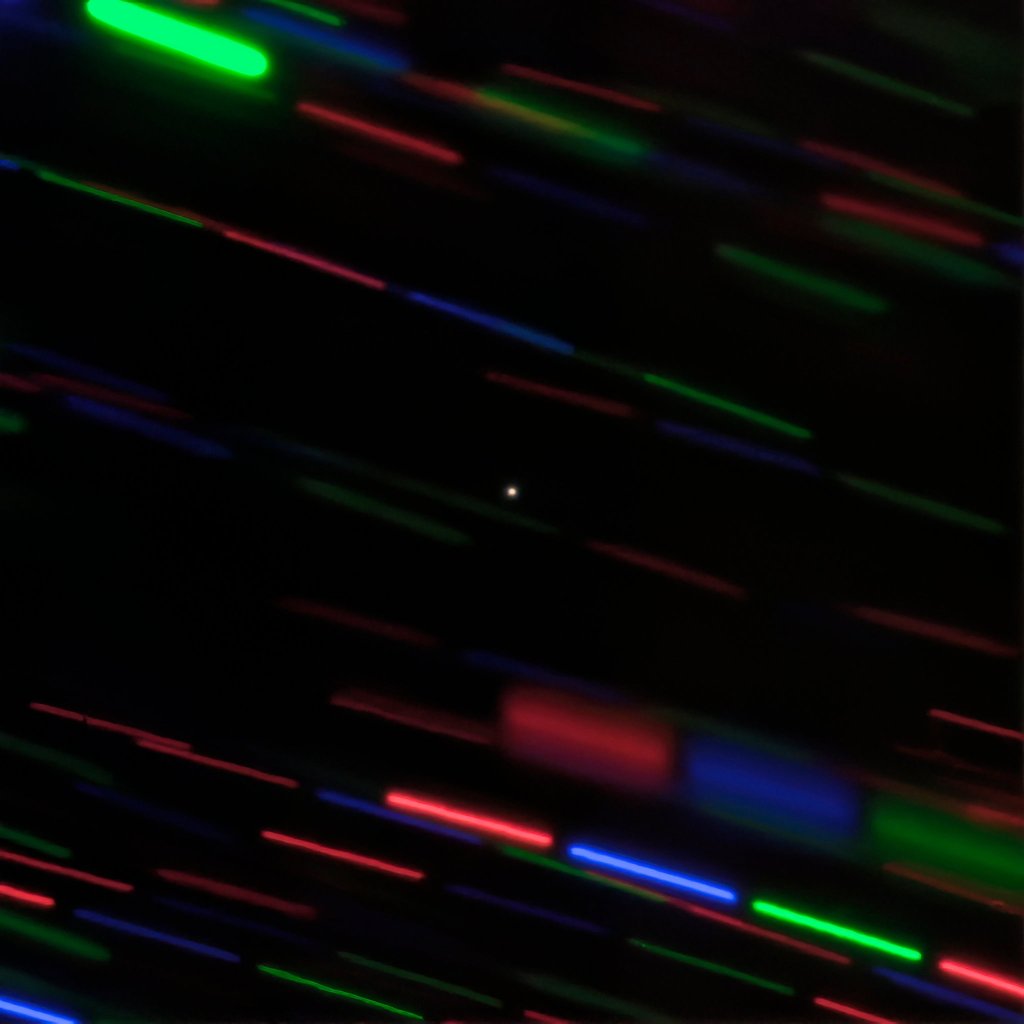
Satellite image of Earth’s temporary mini-moon: 2020 CD3

This title may be a little misleading. Yes, there is a small object that is currently trapped in the Earth’s orbit, however this is a small asteroid by the name of 2020 CD3. This asteroid is typically orbiting the Sun, however recently got trapped in the gravitational pull of the Earth, so, for now, it is a mini moon of sorts for the Earth.

I keep saying this asteroid is a mini moon, but how big is it really? Well, based on observations of the asteroid, it is estimated to only be around 1.9 to 3.5 m in diameter, which is approximately 1/3 millionth to 1/1 millionth the diameter of the Moon.

This miniature moon, while fun, is only temporary. Experts believe that this asteroid will fall out of the Earth’s orbit sometime in April and return to its typical orbit around the Sun. While this both isn’t the first nor the last object to get trapped in the Earth’s orbit and act as a temporary, secondary moon, the occurrence still is quite uncommon, so, for the time, however, we should celebrate this little baby of a moon.

Climate Change: Real and Present

Although I discuss only some issues that arise as a result of climate change, this chart displays many other issues that occur as a result of climate change

Climate change, although a widely debated issue, is impacted the world more and more on a daily basis. Climate change is the long-term affect of human-caused damage to the Earth and its different environments. Often climate change if referred to simply as global warming, and, while global warming is a part of climate change, it is only part of the problem as a whole.

One terrifying statistic regarding climate change is the rate at which ice is melting in the polar regions of the Earth. When the ice in these polar regions melt, the levels of the oceans rise, which could be devastating for costal regions and regions near coasts that sit around sea level. For example, Florida is in a lot of trouble and, therefore, one of my favorite places on the planet is in danger: Disney World. Another favorite place of mine is New York City and a rise in sea levels would affect the Golden Apple.

Many other issues arise as a result of climate change, but there is still a little time to take action. What part can you play in decreasing the effects of climate change? Do you think as a human race we will be able to come together in order to fight the threat of climate change?

The Visible Doppler Effect

Video explaining light within the universe, covering topics from the spectrum of both visible and invisible light to the Doppler Effect. The Doppler Effect is discussed around time stamp 8:30.

            Ever wonder why the siren of a police car or a firetruck seems to change in pitch after it passes by? Well, the phenomenon is known as the Doppler Effect. The Doppler Effect explains how sound, like in the example above, or light waves are manipulated by the movement of an object in relation to a stationary object.

            The Doppler Effect has confused and fascinated me since first learning about it in my junior year physics class. Admittingly, I was absent for most of the days of that particular lesson, so I left that class stumped by how the Doppler Effect truly worked and the science behind it but putting it in terms of light turned everything around.

            Now the question is raised, how is my perception of light manipulated by movement? Well, turns out it all has to do with the wavelength of light waves. The visible light spectrum is composed of many different wavelengths that each dictate a different color that becomes visible, with blue and violet being the shortest wavelengths and red and orange being the longest. These wavelengths, however, can be manipulated by movement. When an object in space is traveling towards the Earth, the wavelengths of the light being emitted from that object are manipulated to be shorter than they actually are. As a result, the object appears to be bluer than it really is or known as being blueshifted. On the other side, when an object is traveling away from the Earth, the wavelengths are artificially stretched, causing the object to be redder in appearance, or known as being redshifted.

            Although our perceptions of sound and light appear rigid, the manipulation that travel causes to wavelengths is a reality that, thankfully, has become far less confusing to me over time.

Moon Phases and Eclipses

The “Man in the Moon” is a story we have all heard since childhood: look into the sky and you’ll see a face in the moon, however I would get confused when I would look up and he would be missing. Where did this man go? Why isn’t he or the moon in the sky tonight? Well, the missing “man” is easily explained by examining the rotations and different phases of the moon in our night sky.

            The moon travels orbits around the earth approximately 1 every 27 daysand rotates at the same rate. This means that we always are viewing the same side of the moon, hence why we can always see this “man” whenever the moon is bright in the sky. However, this doesn’t explain why we only see the moon in the sky sometimes and why the shape of the moon changes in the night sky.

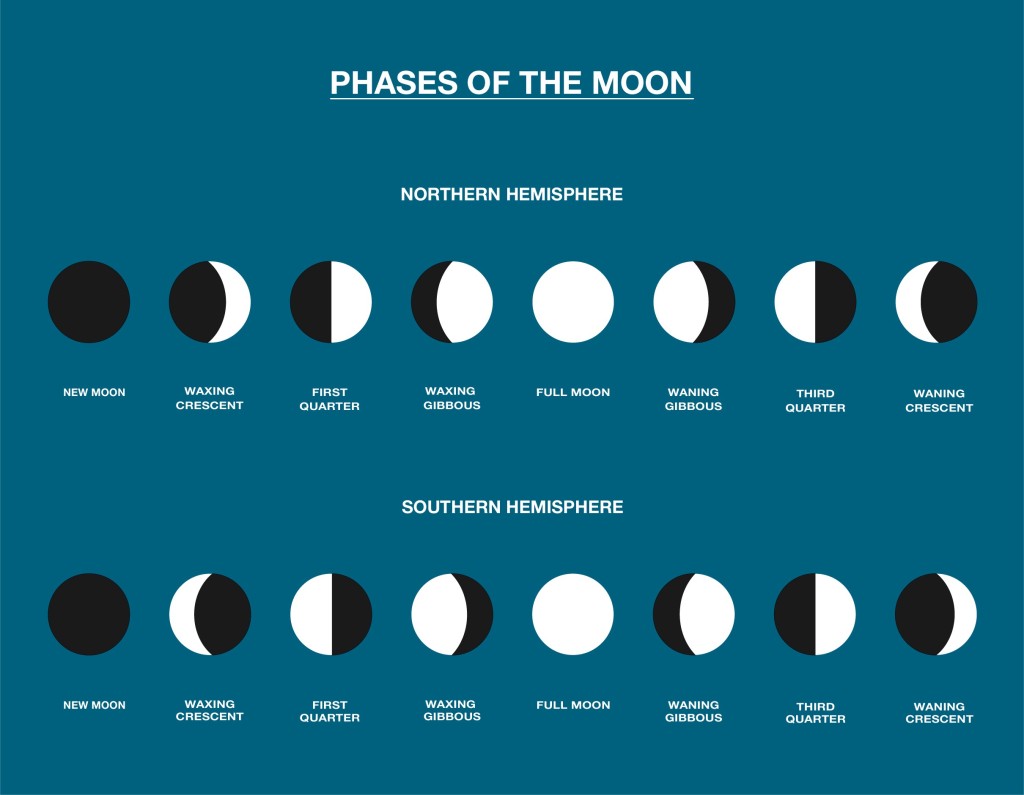
            While the moon rotates around the earth, the way we see the sunlight reflect off the moon changes. The moon consistently has half of it being lit by the sun, however, since we only see one side of the moon, we see how the sun’s light is hitting that particular side of the moon. As the moon rotates around the sun, we see can see our side being fully lit by the sun or not being lit at all. These different stages of the moon being lit are known as the phases of the moon. The phases begin with our side of the moon receiving no light, a new moon, and growing to have more light, waxing crescent and gibbous, to being fully lit, full moon, to having the light recede, waning gibbous and crescent, all the way back to no light.

            The moon is always in our sky, so it is just a matter of our visibility of it. The “man in the moon” is in the sky to watch over us, even if we can’t see him.

The phases of the moon, as represented in the Northern and Southern Hemispheres. Picture from https://thebeakerlife.com/homework-helper-phases-of-the-moon-672eb1a1fe9f?gi=9715621760d3

Introducing: Lily

My name is Lily and I’m a freshman at Vanderbilt University. I’m majoring in special education and am hoping to add either a second major or a minor in theatre. Yes, intitially this seems like an odd combination, however my ultimate goal in life is to open a theatre company for children and teenagers on the autism spectrum.

Some of my favorite activities include theatre, singing, and swimming. In high school I participated in 17 different shows, in a range of positions from onstage to offstage. Some of my favorite roles included playing Logainne in The 25th Annual Putnam County Spelling Bee, Claire in Proof, and Stage Manager for Macbeth. Additionally, I took voice lessons in high school and have continued to take lessons here at Vanderbilt through the Blair School of Music. Finally, I swam for about 6 years on a local swim team until the commitment became too difficult in addition to doing theatre and vocal activities, however I do still try to swim recreationally whenever I can.

Something interesting about myself that almost anyone who knows me would say is that I have a true love for Disney. My family has visited Disney almost every year, and the occasional second trip some years, meaning I have been to Walt Disney World over 20 times as of now. I know many people consider Disney to be childish, but I’ve always seen it as a little escape. I’m always smiling when watching Disney movies and on bad days I’m usually found listening to some of Disney’s greatest hits.

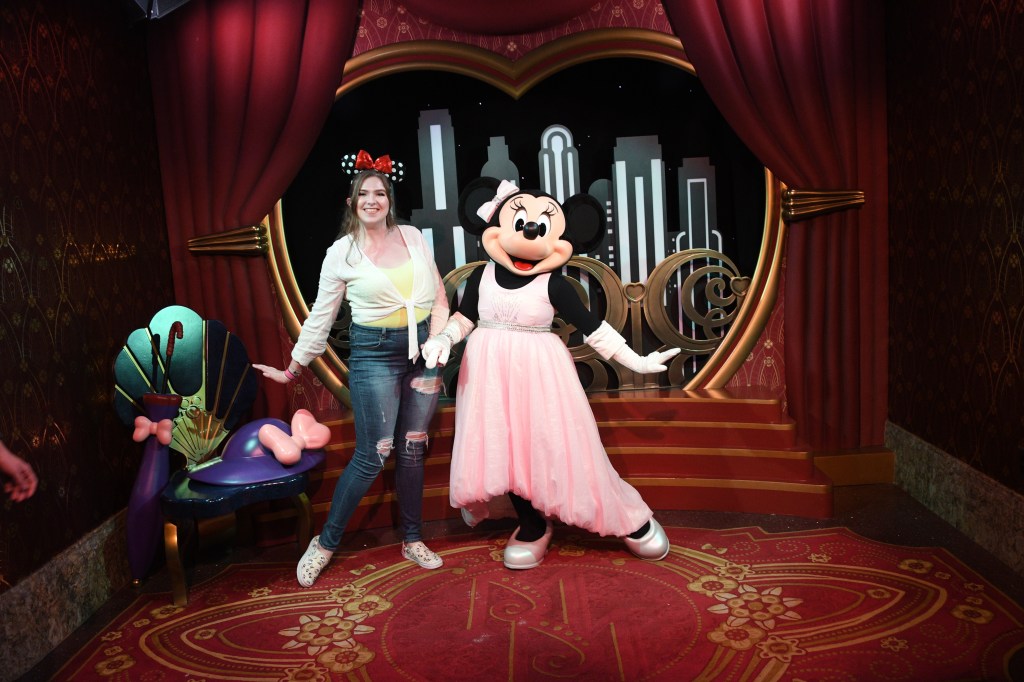
Picture by me on our most recent trip to Disney World in November, 2019. This photo was taken at Disney’s Hollywood Studios.
Design a site like this with WordPress.com
Get started